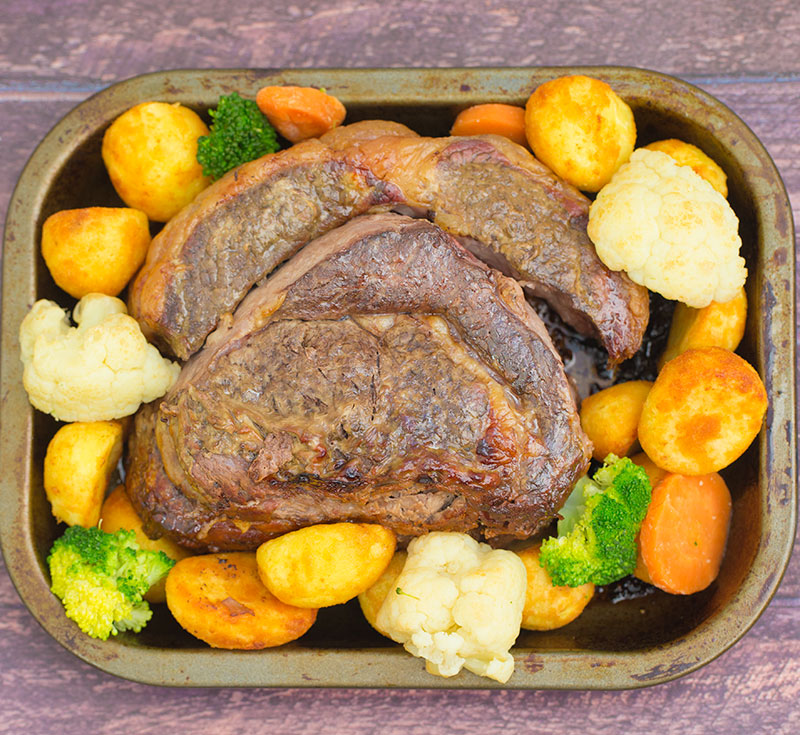
Description
THE BEEF
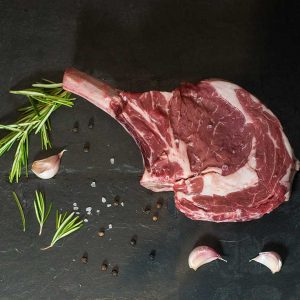
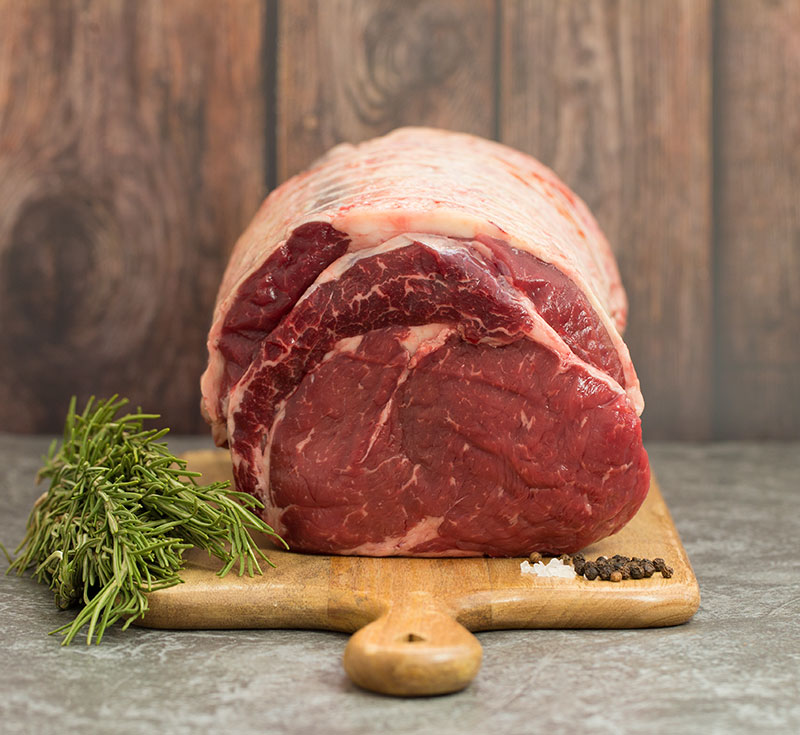
Our rolled rib comes from native breed cattle hand-selected from small independent farms across Norfolk and Suffolk by a family-run East Anglian abattoir with 60 years of relationships with these farmers. The rib section demands exceptional marbling to perform properly as a roasting joint, and our buyer’s graders select specifically for the intramuscular fat distribution that gives this cut its character. Cattle raised on East Anglian pasture and marshland grazing, at their own pace, from native breeds chosen for quality over speed of growth.
THE AGEING
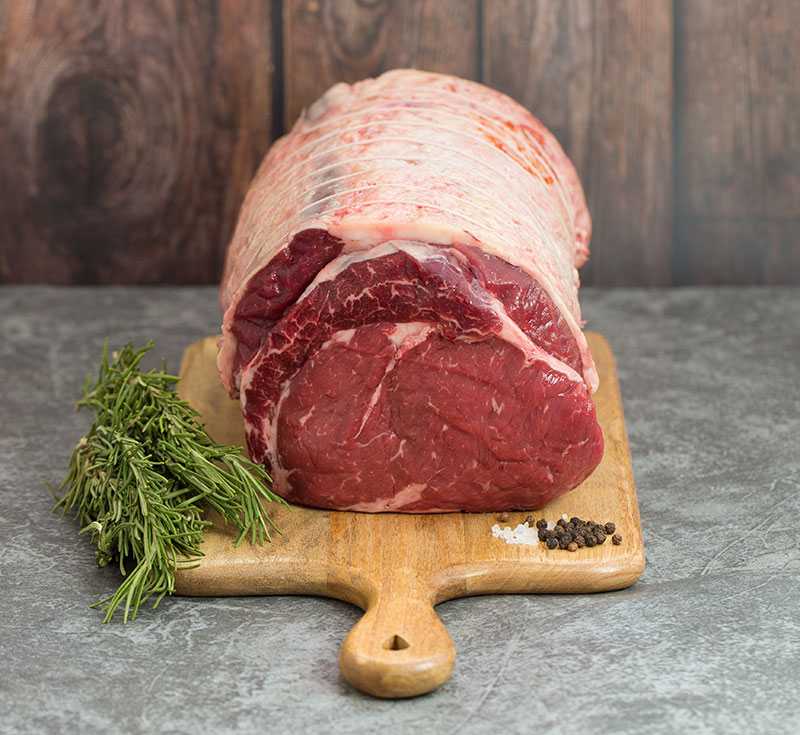
Twenty-one days minimum in our own dry ageing facility — sometimes up to 28. During that time moisture leaves the meat slowly, the flavour compounds concentrate, and the natural enzymes break down the muscle fibres. The result is a joint with a depth and complexity that fresh beef simply cannot produce. Our butchers roll and tie each joint after ageing, which means the cut comes to you ready to season and roast.
COOKING YOUR ROLLED RIB
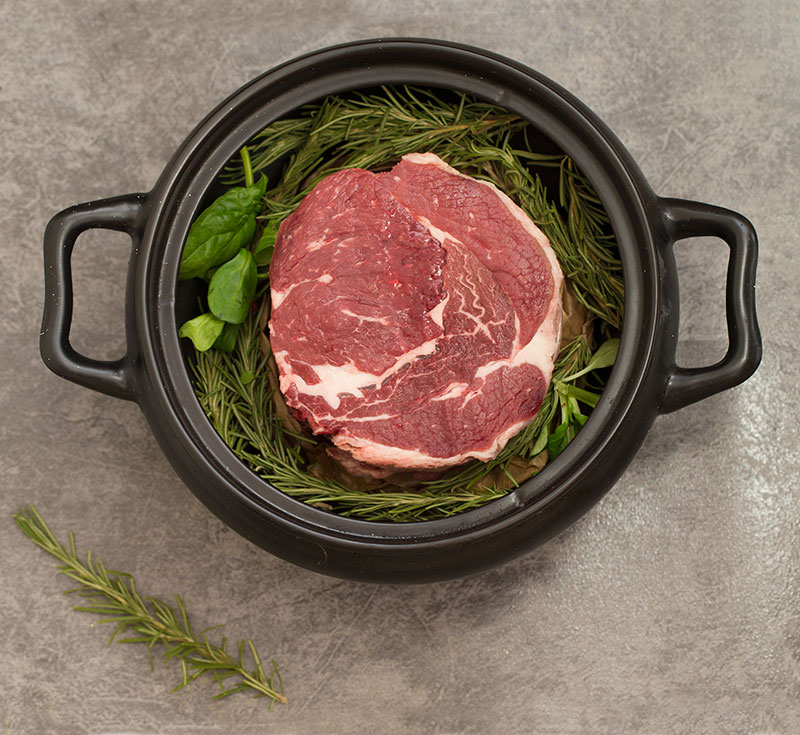
Take it out of the fridge at least two hours before cooking — a joint this size needs time to come fully to room temperature. Season generously all over with flaked salt and freshly ground black pepper. If you have beef dripping, rub a small amount over the fat cap.
Preheat your oven to 220°C / 200°C fan. Start the joint at high heat for the first 20 minutes, or even sear in a pan, to build colour and begin rendering the fat cap. Then turn the oven down to 160°C / 140°C fan for the remainder of the cooking time.
After an initial 20 minutes in the oven, for rare give the joint 15 minutes per kg (internal temperature should be 48–50°C). For medium-rare, 20 minutes per kg (internal temperature 52–55°C). For medium, 25 minutes per kg (internal temperature 58–60°C).
A probe thermometer takes the guesswork out entirely — pull the joint from the oven 3–4°C below your target temperature, as it will continue to rise during resting.
Resting:
Rest the joint loosely covered for a minimum of 20 minutes. For a 3kg or 4kg joint, 30 minutes is better. A joint that hasn’t rested properly will lose its juices the moment you carve it, so this is essential.
Carving:
Remove the string and carve across the grain into thick, even slices. Keep them generous — thin slices don’t do justice to a joint like this. If you have a good carving fork to hold the joint steady, use it. Everyone will want a piece of the fat too!
WHAT TO SERVE WITH IT
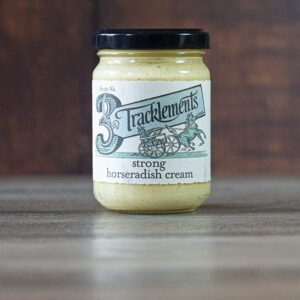
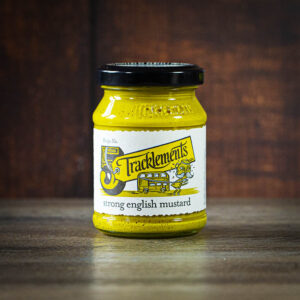
Keep the accompaniments honest and proportionate to the joint. Proper roast potatoes cooked in beef dripping are essential. A good Yorkshire pudding. Roasted root vegetables. Horseradish sauce or English mustard on the side. For gravy, deglaze the roasting tin with red wine and beef stock, scraping up all the roasting residue from the bottom of the pan — that’s where the flavour is.
For wine, reach for a serious red — a Côte du Rhône, a Châteauneuf-du-Pape, or a well-structured Cabernet Sauvignon. A joint this size deserves a bottle worth opening.
STORAGE & DELIVERY
Delivered fresh in chilled packaging. Keep refrigerated and cook within use by on the pack. Suitable for freezing — freeze on day of delivery and defrost slowly in the fridge for 24 hours before cooking.